Yonsei 101
The Yonsei 101 Analog Computer
Registered Cultural Heritage No. 557 Analog computer, 1961Nº 01 — Cheonggyecheon
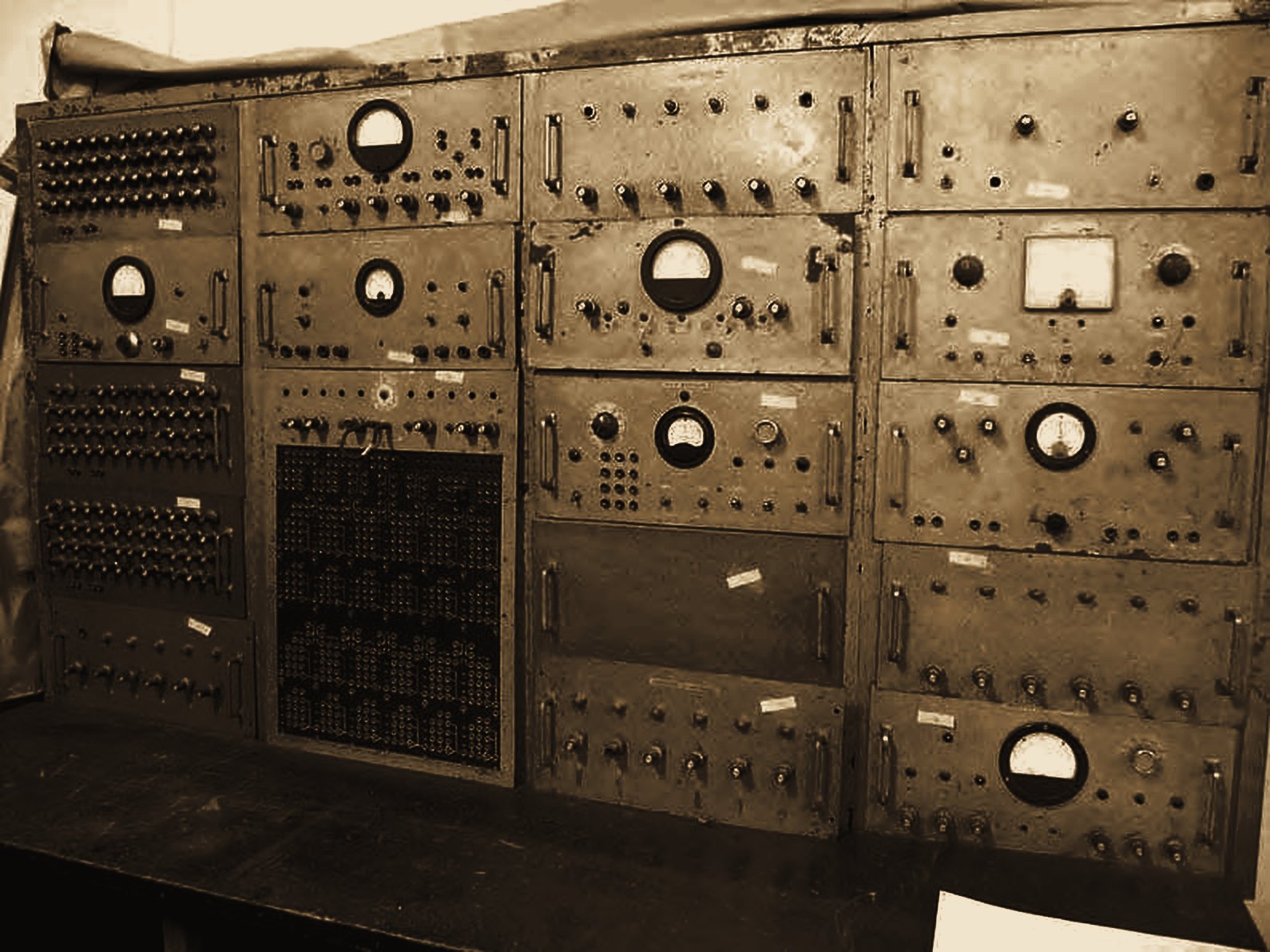
Seoul, 1961Han Man Choon and his students combed the junk shops of Cheonggyecheon for parts salvaged from military surplus: vacuum tubes and meters, terminals and knobs. In 1961, those parts became the country’s first analog computer.
The Yonsei 101 used vacuum-tube electronics to carry out higher calculus in real time. Built for teaching and research in control engineering, it went on to support work on power-system stability, controller design and the safety of nuclear power.
How its parts and system were made, and what they achieved, was published in papers and passed on. The Korea Heritage Service credits it with laying “the groundwork for the development of computer technology.”
An analog computer does not count. Voltage is the variable; the circuit is the equation. Wire integrators together, and the solution to a differential equation moves across the meters.
Plates
01 / 08Four racks,
one equation.
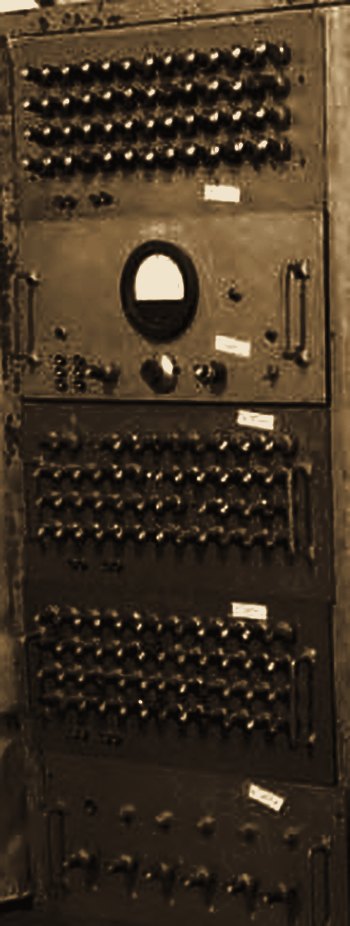
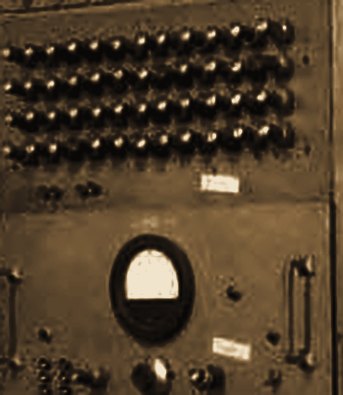
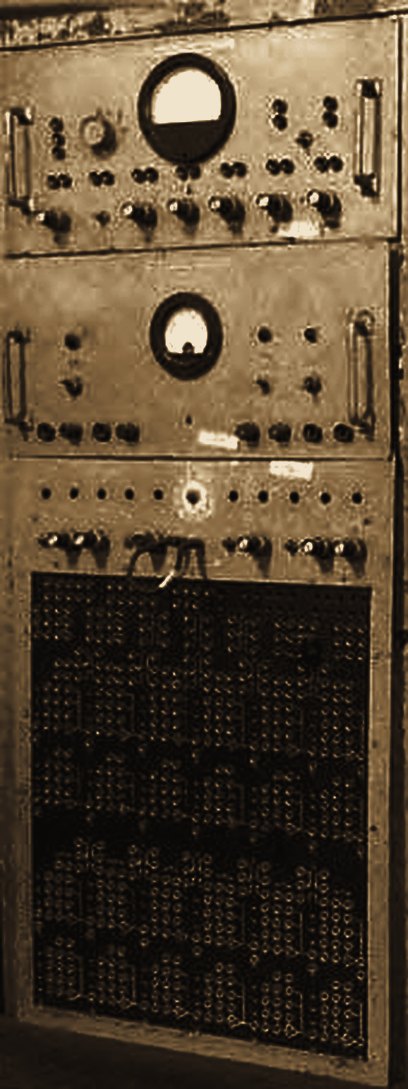
Four steel racks, dense with meters and knobs, terminals and a patch panel. We read them from left to right.
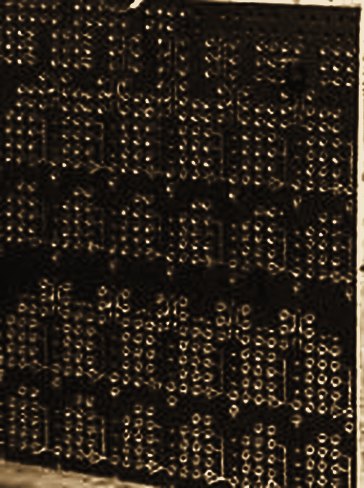
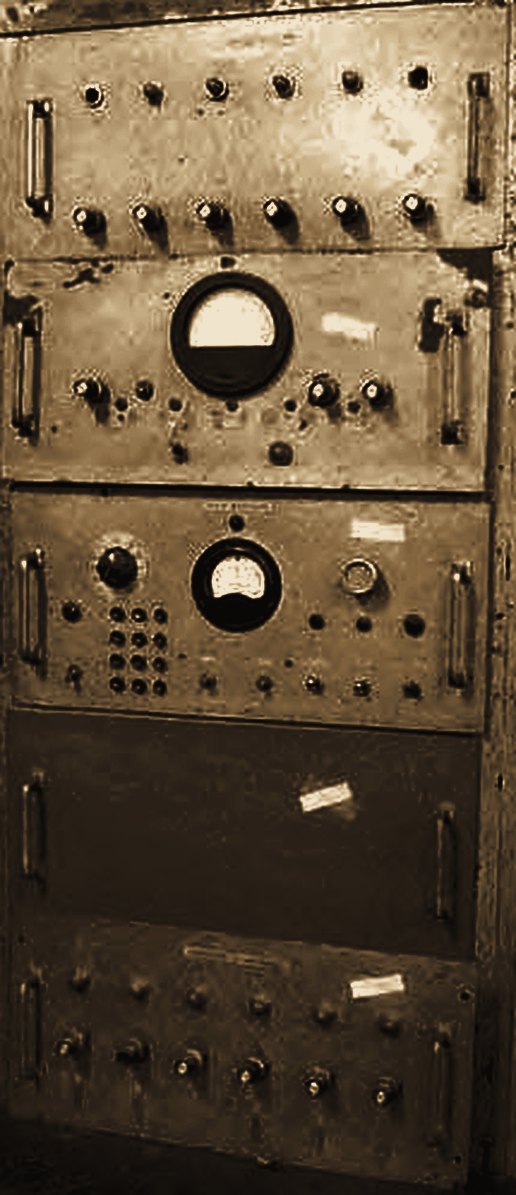
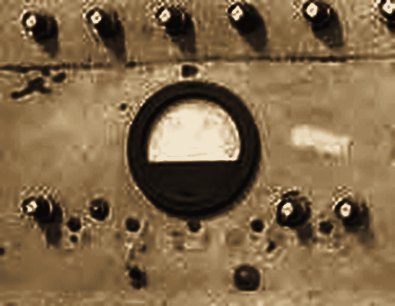
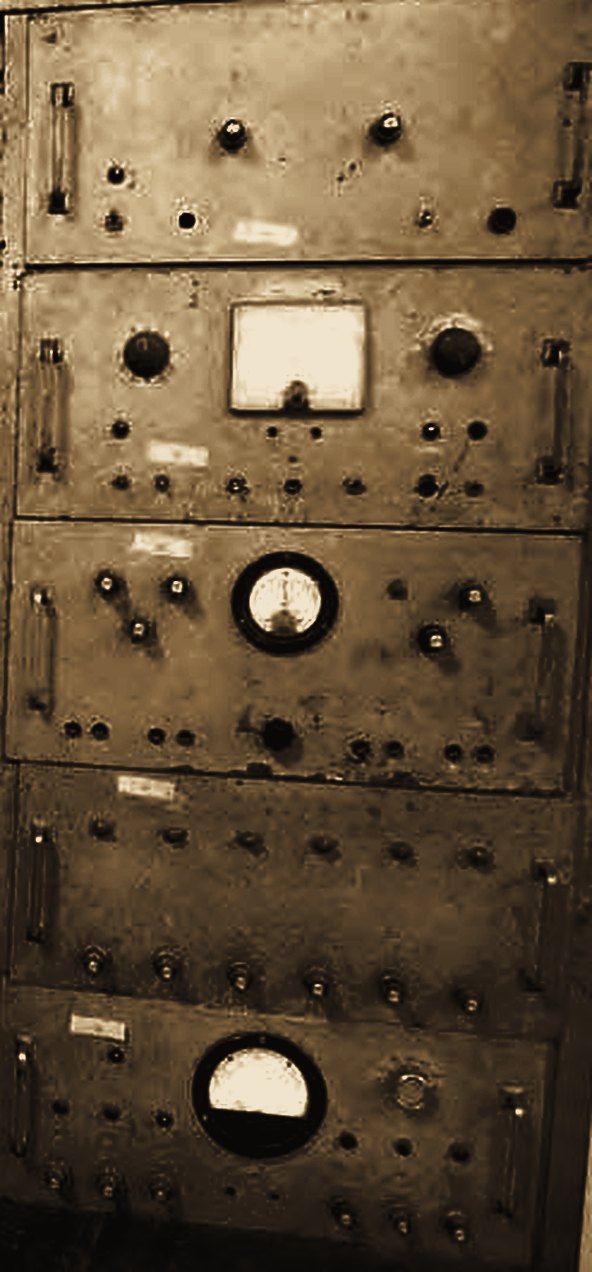

Solving equations
with voltage
An analog computer turns each term of an equation into a circuit. Pass acceleration through one integrator and it becomes velocity; through another, position. There is no waiting for the answer: the moment the circuit is powered, the solution is already flowing.
The screen below recreates that principle in your browser. Turn the knobs to change the damping, frequency and driving force.
x″ + 2ζω x′ + ω² x = A sin t
Sweep 1 s/div
Vert 1 V/div
An educational recreation, not a reproduction of the Yonsei 101’s actual circuits or operating range.
In Use
1961 —- i.Teaching and research in control engineering
- ii.Improving power-system stability
- iii.Controller design
- iv.Nuclear power safety research
2013:
a national heritage
Registered as national cultural heritage on 27 August 2013. In 2017, ownership passed by donation from a private individual to Yonsei University.
- No.
- 557
- Name
- Yonsei 101 Analog Computer
- Category
- Registered National Heritage
- Registered
- 2013. 08. 27
- Made
- 1961
- Quantity
- 1 set
- Owner
- Yonsei University — donated 2017
- Location
- 50 Yonsei-ro, Seodaemun-gu, Seoul